
The Benefits of Personality Tests in Development

Have you ever wondered why some people just click in a team, while others seem to struggle with communication? Or why certain leaders inspire effortlessly, while others face constant challenges? The secret often lies in understanding personalities—ours and those around us. That’s where the benefits of personality tests come into play. They’re not just fun quizzes; they’re powerful tools that can transform how we grow, work, and connect.
Let’s dive into how these tools can boost your personal and professional development, improve teamwork, and help you become a better leader. Ready? Let’s go!
Unlocking Growth: The Benefits of Personality Tests
Personality tests offer a unique window into who we are. They help us uncover our strengths, identify areas for improvement, and understand how we interact with others. But what exactly makes them so valuable?
Self-awareness: Knowing your personality type helps you recognize your natural tendencies. Are you more introverted or extroverted? Do you prefer structure or spontaneity? This insight is the first step toward meaningful growth.
Improved communication: When you understand your style and others’, you can tailor your communication to be clearer and more effective. No more misunderstandings or frustration!
Better teamwork: Teams thrive when members appreciate each other’s differences. Personality tests highlight these differences and encourage respect and collaboration.
Enhanced leadership: Leaders who understand their personality can adapt their approach to motivate and inspire diverse teams.
Imagine walking into a meeting knowing exactly how to connect with each person. Sounds like a game-changer, right? That’s the power of these assessments.

How Personality Tests Help in Personal Development
Personal development is all about becoming the best version of yourself. Personality tests provide a roadmap for this journey by revealing your unique traits and preferences.
For example, if you discover you’re naturally cautious and detail-oriented, you might realize why you prefer planning over improvising. This awareness can help you:
Set realistic goals that align with your style
Choose environments where you’ll thrive
Develop skills that complement your natural strengths
On the flip side, if you find you tend to avoid conflict, you can work on building assertiveness. The key is that these tests don’t box you in—they open doors to growth by showing you where to focus your energy.
Here’s a practical tip: After taking a personality test, write down three things you learned about yourself. Then, set one small goal to improve or leverage that trait this week. Small steps lead to big changes!
What are the big 5 personality tests?
You might have heard about the Big 5 personality traits—Openness, Conscientiousness, Extraversion, Agreeableness, and Neuroticism. These five dimensions form the foundation of many personality assessments used worldwide.
Openness: How open you are to new experiences and ideas.
Conscientiousness: Your level of organization and dependability.
Extraversion: How outgoing and energetic you are.
Agreeableness: Your tendency to be compassionate and cooperative.
Neuroticism: How prone you are to emotional instability or stress.
Understanding where you fall on each of these scales can help you predict how you’ll react in different situations. For instance, a high score in Conscientiousness might mean you excel at meeting deadlines, while a high score in Neuroticism could signal a need to develop stress management techniques.
Many organizations use the Big 5 framework because it’s backed by solid research and offers a comprehensive view of personality. It’s a fantastic starting point for anyone curious about self-discovery.

Using Personality Tests to Build Stronger Teams
Teams are like puzzles—each piece is unique, and when they fit together well, the picture is beautiful. But without understanding the shape of each piece, it’s easy to force connections that don’t work.
Personality tests help teams by:
Identifying complementary strengths: Knowing who excels at what helps assign roles that maximize productivity.
Reducing conflict: When team members understand why someone behaves a certain way, they’re less likely to take things personally.
Encouraging empathy: Recognizing different perspectives fosters a culture of respect and support.
Boosting morale: People feel valued when their unique contributions are acknowledged.
For example, a team with a mix of high Extraversion and high Agreeableness might be great at brainstorming and supporting each other, but they might need someone with high Conscientiousness to keep things on track. By using personality insights, teams can balance these dynamics effectively.
Try this: Next time you’re in a group project, suggest a quick personality activity. It can be as simple as sharing your preferred working style or communication method. You’ll be surprised how much smoother collaboration becomes!
Leadership and Personality: Why It Matters
Great leaders don’t just manage tasks—they inspire people. And to inspire, you need to understand what makes your team tick. That’s where personality insights shine.
Knowing your leadership style helps you:
Adapt your approach to different team members
Communicate expectations clearly
Motivate individuals based on their unique drivers
Handle conflicts with empathy and fairness
For instance, a leader who scores high in Openness might encourage innovation and creativity, while one with high Conscientiousness might focus on structure and accountability. Both styles can be effective, but knowing your tendencies helps you balance them.
Here’s a leadership tip: Use personality insights to tailor your feedback. Some people appreciate direct, straightforward comments, while others respond better to gentle encouragement. This small adjustment can boost performance and trust.
Taking the Next Step with Personality Tests
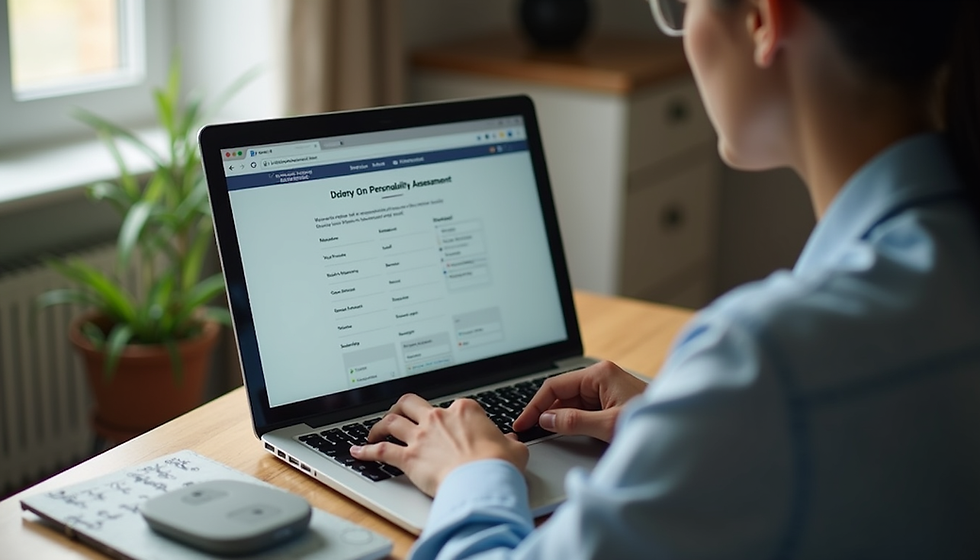
If you’re ready to explore your personality and unlock new growth opportunities, why not start today? There are many tools available, but choosing one that’s research-based and easy to understand is key.
Remember, the goal isn’t to label yourself or others but to gain clarity and improve relationships. Whether you’re working on personal development, building a team, or stepping into a leadership role, these insights can be your secret weapon.
So, what are you waiting for? Dive into the world of personality tests and discover the amazing benefits waiting for you!
By embracing the power of personality insights, you’re not just learning about yourself—you’re opening doors to better communication, stronger teams, and more effective leadership. It’s a journey worth taking, and the benefits will ripple through every part of your life. Let’s make self-awareness and connection a priority today!


Comments